Kitchens and bathrooms take more punishment than any other room in the house, from spilled water and steam to dropped pans and daily foot traffic. The right flooring needs to handle moisture, wear, and cleaning without losing its looks. This guide compares the main options so you can choose with confidence.
What Is the Best Flooring for Kitchens and Bathrooms?
Luxury vinyl tile (LVT) and porcelain tile are generally the best flooring choices for kitchens and bathrooms, since both are fully waterproof, durable, and low maintenance. LVT tends to suit tighter budgets and feels warmer underfoot, while porcelain offers the most durable, longest-lasting surface for high-traffic areas.
Comparing the Main Flooring Options
Luxury Vinyl Tile (LVT)
LVT is fully waterproof, warm underfoot, and mimics the look of wood or stone at a fraction of the cost. It works well with underfloor heating and is straightforward to fit, though it can be more easily marked by sharp or heavy objects than tile.
Best for: budgets that need to stretch across both rooms, and anyone who wants a warmer floor than tile.
Porcelain and Ceramic Tile
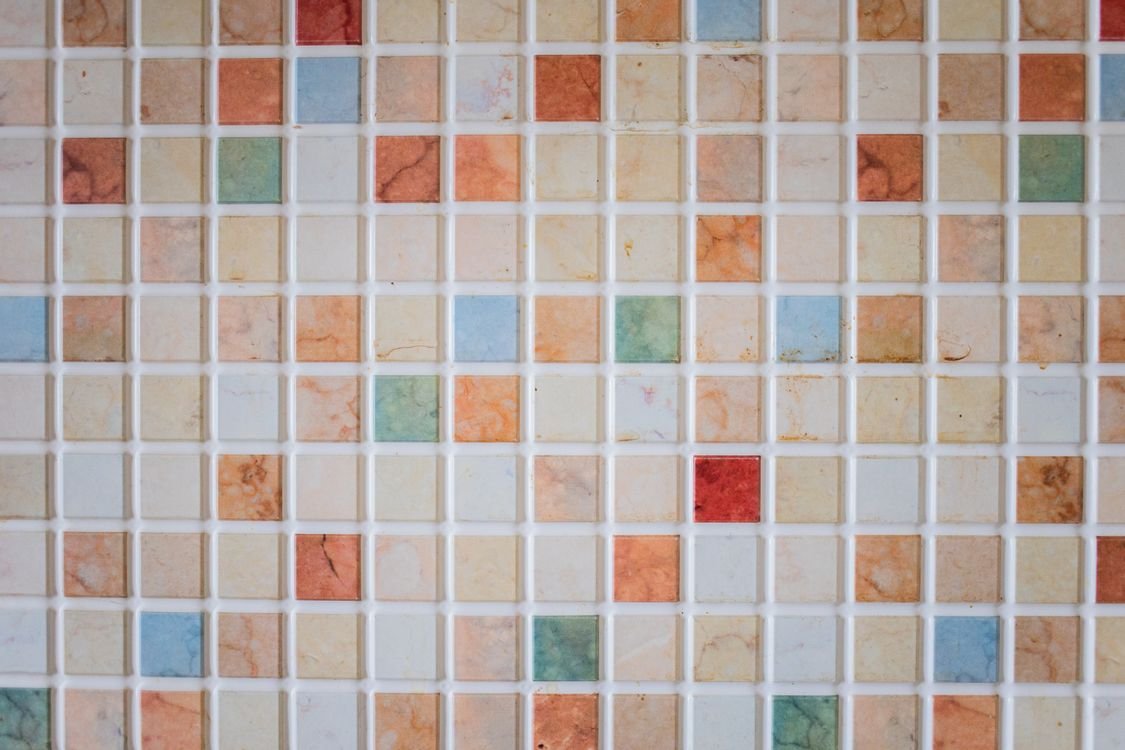
Porcelain has a lower water absorption rate than ceramic, making it the more durable option for genuinely wet areas such as a shower floor. Both are highly water-resistant, easy to clean, and available in a wide range of finishes, including wood-effect designs.
Best for: households with pets or heavy daily use, since tile is one of the most durable options available and can last for decades with proper care.
Natural Stone
Stone such as marble, granite, and slate gives a genuinely luxury finish and is extremely hard-wearing. It costs more than tile or vinyl and needs regular sealing to protect against staining and moisture, so it suits homeowners willing to keep up with that maintenance.
Best for: a higher-end finish where budget and upkeep are less of a concern.
Laminate
Standard laminate is not waterproof and can warp or swell if water sits on it, which makes it a poor choice for most bathrooms and a risky one for kitchens unless a fully waterproof laminate is specified. Where budget is the main driver, LVT is usually the safer alternative.
Best for: drier kitchen zones only, and generally not recommended for bathrooms.
Engineered Wood
Engineered wood offers a genuine timber look with better moisture resistance than solid hardwood, thanks to its layered construction. It still needs proper sealing and is not suited to areas that see standing water, such as directly around a bath or shower.
Best for: kitchens with moderate moisture exposure, rather than bathrooms. If you are set on solid hardwood for a drier room elsewhere in the home, our DIY hardwood floor installation guide covers fitting it yourself. If you choose tile, our guide to grouting tiles covers getting a professional-looking finish.
How to Choose Between Them
- Budget first: LVT and standard vinyl sheet give the most waterproof coverage for the lowest cost.
- Durability priority: porcelain tile lasts the longest and handles the heaviest daily wear.
- Comfort underfoot: LVT and engineered wood feel warmer than tile or stone, particularly without underfloor heating.
- Matching rooms: if your kitchen and bathroom are close together, a matching or complementary wood-effect porcelain or LVT can create a more cohesive look throughout.
If you are planning underfloor heating alongside new flooring, our guide to electric floor heating covers how it works and where it fits best. For a full kitchen renovation, see our kitchen renovation cost guide, and for bathroom-specific ideas, our small bathroom ideas on a budget covers low-cost updates beyond flooring.
Frequently Asked Questions
Is vinyl or laminate better for a kitchen floor?
Vinyl is generally better suited to kitchens than standard laminate, since vinyl is fully waterproof and laminate can be damaged by spills and standing water.
What is the most durable flooring for a bathroom?
Porcelain tile is typically the most durable bathroom flooring option, capable of lasting fifty years or more with proper care, including resealing grout periodically.
Can I use the same flooring in my kitchen and bathroom?
Yes. Matching or complementary porcelain tiles or LVT work well in both rooms and can create a more consistent look if the spaces are close together.
Is wood flooring suitable for a bathroom?
Solid hardwood is not recommended for bathrooms due to moisture exposure. Engineered wood offers more resistance but still needs careful sealing and is best kept away from areas with standing water.
What flooring works best with underfloor heating?
LVT and porcelain tile both perform well with underfloor heating, conducting and retaining heat effectively while remaining fully waterproof.
Flooring performance can vary by product and manufacturer, so check the specific water resistance and warranty details for any product before purchasing.
About the Author
Spire Homes Editorial Team researches and writes practical, UK focused home improvement guides covering renovation planning, financing, interior design, and property maintenance. Our content is reviewed for accuracy and updated as products and standards change.