
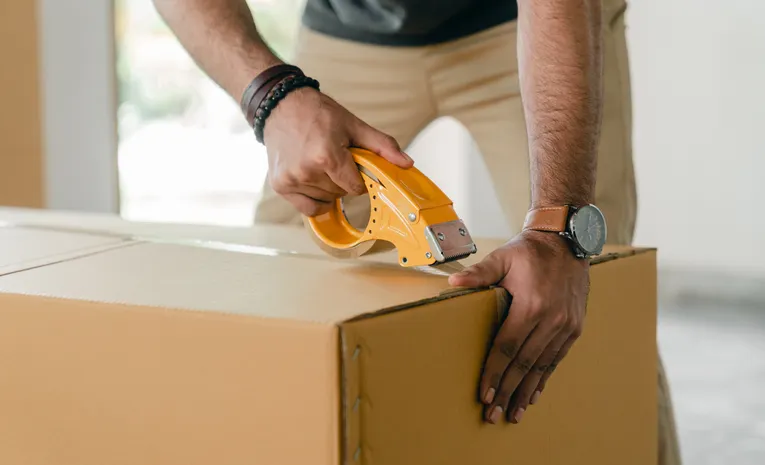
Decluttering before a move saves money on removal costs, reduces the packing workload, and means you unpack into your new home with only what you actually want to keep. This guide covers a practical, room-by-room approach that keeps the process manageable rather than overwhelming.
How Do You Declutter a Home Before Moving?
To declutter before moving, work through one room at a time starting several weeks before your move date, sorting everything into keep, donate, sell, and bin categories, and dealing with each category immediately rather than letting piles build up. Starting early and working systematically prevents the last-minute overwhelm that leads to boxing up things you never actually wanted to keep.
When to Start
Begin decluttering four to six weeks before your move if possible. This gives enough time to sell or donate items properly rather than rushing everything into bin bags the week before, and spreads the workload so no single day becomes overwhelming.
The Four-Category System
- Keep: items you use regularly or genuinely want in your new home.
- Donate: usable items you no longer need, destined for a charity shop or local donation point.
- Sell: higher-value items worth listing online or taking to a specialist buyer.
- Bin or recycle: genuinely broken, worn out, or unusable items.
Deal with each category as you go rather than letting bags and boxes pile up around the house, since unsorted piles have a habit of simply getting packed and moved along with everything else.
A Room-by-Room Approach
Start With Storage Spaces
Lofts, garages, and cupboards under the stairs tend to accumulate the most forgotten items, and clearing these first often delivers the biggest space and weight savings for your move.
Kitchen
Duplicate utensils, unused gadgets, and mismatched containers are common kitchen clutter. Keep what you use weekly and be honest about specialist equipment that has not been touched in over a year.
Wardrobe and Clothing
A simple rule is to keep clothes you have worn in the last year and honestly assess anything beyond that. Clothing is also one of the easiest categories to donate, since most charity shops accept clean, wearable items readily.
Books, Media, and Paperwork
Sort through books and old paperwork, recycling or securely disposing of anything outdated, and consider donating books you are unlikely to reread to a local library or charity shop.
Sentimental Items
Leave these until last, since decision fatigue makes it harder to be objective about sentimental items early in the process. Even then, be selective, keeping items that genuinely hold meaning rather than everything with a memory attached.
What to Do With Each Category
- Donate: most charity shops accept clean clothing, books, and small household items; some also offer collection for larger furniture.
- Sell: online marketplaces work well for furniture and electronics, while specialist buyers suit higher-value items such as jewellery or collectables.
- Recycle: check your local council’s guidance for electronics, textiles, and other items that should not go in general waste.
- Bin: genuinely broken or unusable items, disposed of responsibly according to local guidance.
Once you know what you are keeping, our home improvement financing guide covers funding options if your move includes renovation work in the new property.
Frequently Asked Questions
How far in advance should I start decluttering before a move?
Starting four to six weeks before your move date generally gives enough time to sort, sell, and donate items properly without rushing the process at the last minute.
What should I declutter first before moving?
Storage spaces such as lofts, garages, and under-stairs cupboards are a good starting point, since they tend to hold the most forgotten items and offer the biggest immediate space savings.
Is it worth selling items before a move or just donating everything?
It depends on value and time available. Higher-value items such as furniture or electronics are often worth the effort of selling, while lower-value items are usually more efficiently donated.
How do I declutter sentimental items without feeling guilty?
Tackle sentimental items last, when you have more decision-making energy, and focus on keeping what genuinely holds meaning rather than everything with an attached memory.
Does decluttering before a move actually save money?
Yes. Many removal companies charge based on volume or weight, so reducing what you move can lower removal costs, alongside saving time on packing and unpacking.
Check your local council’s guidance for recycling and disposal of specific items such as electronics, paint, and large furniture before your move.
About the Author
Spire Homes Editorial Team researches and writes practical, UK focused home improvement guides covering renovation planning, financing, interior design, and property maintenance. Our content is reviewed for accuracy and updated as guidance changes.