
Dripped candle wax on a carpet or piece of fabric looks like a disaster in the moment, but it is one of the more satisfying household stains to remove, since heat and a simple absorbent material do most of the work. This guide covers the safest way to lift it without damaging the surface underneath.
How Do You Remove Candle Wax From Carpet or Fabric?
To remove candle wax, let it harden fully or speed this up with an ice cube, scrape off as much as possible with a blunt knife, then place a clean cloth or brown paper over the remaining wax and press a warm iron over it so the wax melts and transfers into the paper. Working with heat to draw the wax out, rather than trying to scrub it away, protects the carpet or fabric fibres from damage.
What You Will Need
- An ice cube or ice pack, in a sealed bag
- A blunt knife or spoon, for scraping
- A clean, plain white cloth or brown paper bag
- An iron
- A vacuum cleaner
- A mild detergent, for any remaining colour stain from a dyed candle
How to Remove Candle Wax: Step by Step
1. Let the Wax Harden
If the wax is still soft, hold an ice cube in a sealed bag against it for a few minutes to harden it fully, which makes the next step far easier and cleaner.
2. Scrape Off the Excess
Using a blunt knife or the edge of a spoon, gently scrape away as much of the hardened wax as possible, working carefully to avoid pulling at carpet fibres or fraying fabric.
3. Vacuum Loose Fragments
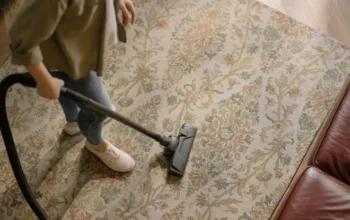
Run a vacuum cleaner over the area to pick up any small, loose wax fragments left behind from scraping.
4. Cover With a Cloth or Paper
Place a clean, plain white cloth or a piece of brown paper directly over the remaining wax residue, since coloured materials can transfer dye onto the carpet or fabric under heat.
5. Apply a Warm Iron
Set the iron to a low to medium heat, with no steam, and press it gently over the covered area for a few seconds at a time. The heat melts the remaining wax, which is absorbed up into the cloth or paper.
6. Move to a Clean Section
As the cloth or paper absorbs wax, move to a clean, unused section and repeat, since a wax-saturated area will not continue absorbing effectively.
7. Treat Any Remaining Colour Stain
If the candle was coloured, a faint dye stain may remain even after the wax itself is gone. Treat this with a small amount of mild detergent in cold water, blotting gently rather than rubbing.
Removing Wax From Delicate Fabrics
For delicate or dry-clean-only fabrics, the ice and scraping steps are generally safe, but skip the iron method and instead take the item to a professional dry cleaner, mentioning the wax so they can treat it with appropriate solvents rather than heat.
If wax has stained deeper into a carpet, our guide to removing a carpet stain covers treatment for a wider range of common spills and marks.
Frequently Asked Questions
Can I use a hairdryer instead of an iron to remove candle wax?
A hairdryer on a low, warm setting can work in a similar way, gently melting the wax so it can be blotted up with a cloth, though an iron generally provides more consistent, controlled heat.
Will an iron damage my carpet?
Using a low to medium heat setting without steam, and always working through a protective cloth or paper rather than directly on the carpet, minimises any risk of heat damage.
How do I remove wax from a delicate or silk fabric?
For delicate fabrics, it is safer to freeze and scrape off as much wax as possible, then take the item to a professional dry cleaner for the remaining residue rather than applying heat directly.
Why does brown paper work better than regular cloth?
Brown paper is more absorbent for melted wax and has no dye that could transfer onto the carpet under heat, making it a particularly safe choice for the ironing step.
What if a coloured stain remains after the wax is gone?
A faint dye stain from a coloured candle can usually be treated with a small amount of mild detergent in cold water, blotted gently rather than rubbed into the fibres.
Always test the iron method on a small, hidden area of carpet or fabric first, and never leave an iron unattended on any surface.
About the Author
Spire Homes Editorial Team researches and writes practical, UK focused home improvement guides covering renovation planning, financing, interior design, and property maintenance. Our content is reviewed for accuracy and updated as guidance changes.