A new kitchen is one of the biggest single spends most homeowners make on a property, and the range of prices online can make planning feel harder than it needs to be. This guide breaks the cost down by kitchen size and finish level, using current UK trade pricing, and shows where your money makes the most difference.
How Much Does a Kitchen Renovation Cost in the UK?
A full kitchen renovation in the UK typically costs between £6,000 and £50,000, with most homeowners spending around £11,000 to £12,000 on a budget to mid-range project. The final figure depends mainly on kitchen size, the quality of units and worktops, and whether any structural or plumbing work is needed.
Kitchen Renovation Cost by Size and Finish
| Kitchen type | Typical cost range | What is included |
|---|---|---|
| Budget renovation | £6,000 to £17,000 | Flat-pack or entry-level units, laminate worktops, standard appliances |
| Mid-range renovation | £11,000 to £35,000 | Semi-bespoke units, stone-effect or solid worktops, upgraded appliances |
| High-end or bespoke | £15,000 to £50,000+ | Handmade cabinetry, natural stone worktops, integrated premium appliances |
Fitting alone, separate from the units and appliances, usually costs between £3,700 and £9,300, with a kitchen fitter charging a day rate of roughly £250 to £350.
Kitchen Renovation Cost by Room Size
Beyond finish level, the physical size and shape of your kitchen has a direct effect on cost, since it determines how many units, how much worktop, and how much flooring the job needs.
| Kitchen size | Typical layout | Estimated cost range |
|---|---|---|
| Small (under 8m²) | Galley or single-wall | £6,000 to £15,000 |
| Medium (8 to 15m²) | L-shape or U-shape | £10,000 to £28,000 |
| Large (15m²+) | Open-plan with island | £18,000 to £50,000+ |
An island unit typically adds £2,000 to £6,000 on top of a standard layout cost, covering the extra cabinetry, worktop, and often additional plumbing or electrical work if it includes a sink or hob.
Regional Price Differences
Labour rates vary significantly across the UK. London and the South East typically run 20 to 30% above the national average for kitchen fitting, while the North of England, Scotland, Wales, and Northern Ireland tend to sit closer to, or slightly below, the figures in this guide. Always get local quotes rather than relying on national averages alone when finalising a budget.
What Drives the Cost Up or Down
Kitchen Size and Layout
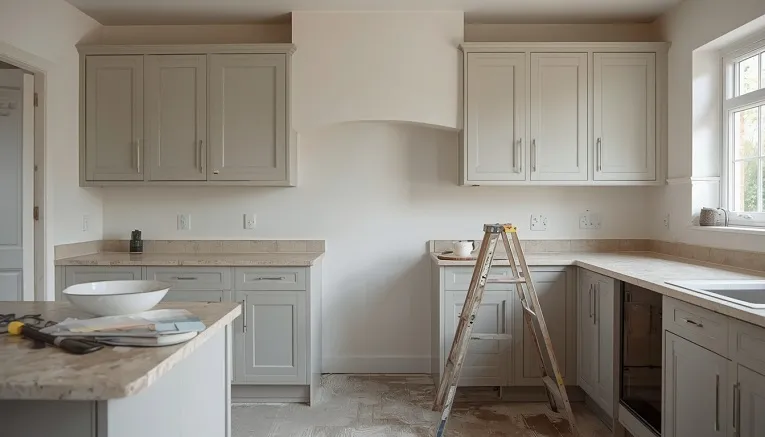
A small galley kitchen will always cost less to fit than a large open-plan space, simply because there are fewer units, less worktop, and less flooring involved. Changing the layout, rather than keeping units in their existing positions, adds plumbing and electrical work that increases cost quickly.
Units and Worktops
Cabinetry and worktops are usually the single biggest cost within a kitchen renovation. Flat-pack units bought supply-only can start from around £1,500, while bespoke handmade cabinetry can run into tens of thousands on its own.
Appliances
The gap between a basic oven and hob set and a premium integrated range can easily run into several thousand pounds. Deciding early which appliances matter most to you keeps this part of the budget under control. Once your appliances are installed, our guide to cleaning an oven naturally covers how to keep them looking new without harsh chemicals. Choosing the right worktop matters just as much as appliances; see our comparison of the best kitchen worktop materials.
Structural and Plumbing Work
Moving a sink, gas point, or knocking through a wall adds cost well beyond the units themselves. If you are unsure whether your plans involve structural changes, it is worth getting this confirmed by a tradesperson before finalising a budget.
Hidden Costs to Budget For
- Skip hire or waste removal: clearing out old units and packaging.
- Plumbing and electrical upgrades: particularly in older properties with outdated wiring.
- Planning permission or building regulations: only usually needed for structural changes, but worth checking with your local planning office if in doubt.
- Contingency fund: most trade estimators recommend adding 10 to 20% on top of your quote for unexpected issues.
Where to Spend and Where to Save
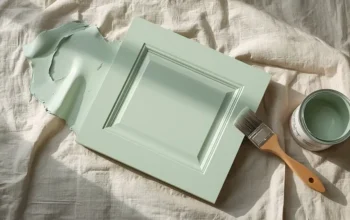
Worktops and cabinetry are worth spending on, since they affect both daily use and how long the kitchen lasts before it starts to look dated. Flooring is one of the easier places to save, since durable laminate or vinyl options now look close to more expensive materials at a fraction of the cost. If your budget is tight, keeping the existing layout and plumbing positions, rather than moving them, is the single biggest saving available on almost any kitchen project. Repainting existing cabinets, rather than replacing them, is another significant saving. See our guide to the best paint for kitchen cabinets for a full comparison.
If you are weighing up how to fund the work, our guide to home improvement financing covers the main borrowing options, from personal loans to remortgaging, in more detail.
DIY Versus Hiring a Professional
Removing old units yourself before a fitter arrives is a common and effective way to cut labour costs. Plumbing, gas, and electrical work should always go to a qualified tradesperson, both for safety and because mistakes here are usually far more expensive to fix than they would have cost to do properly the first time.
Frequently Asked Questions
How much does a small kitchen renovation cost in the UK?
A small kitchen with a budget finish typically starts from around £6,000, though costs rise quickly if the layout changes or premium materials are chosen.
How long does a kitchen renovation take?
Most kitchen renovations take between one and four weeks to complete, depending on the scope of the work and whether structural changes are involved.
Do I need planning permission for a kitchen renovation?
Planning permission is not usually required for a like-for-like kitchen renovation. It may be needed if you are making structural changes, such as removing a load-bearing wall, so it is worth checking with your local planning office if your plans go beyond a straightforward refit.
What is the most expensive part of a kitchen renovation?
Units and worktops are typically the largest single cost, particularly if you choose solid wood, stone, or fully bespoke cabinetry over flat-pack or semi-bespoke alternatives.
Can I live in my house during a kitchen renovation?
Yes, most homeowners stay in the property during the work, though it is worth planning for some disruption and setting up a temporary cooking space if the renovation will take more than a few days.
How much does a kitchen island add to the cost?
A kitchen island typically adds £2,000 to £6,000 to a renovation, depending on its size and whether it includes plumbed features such as a sink or hob.
Is a kitchen renovation more expensive in London?
Yes. Labour costs in London and the South East typically run 20 to 30% above the UK national average, so it is worth getting local quotes rather than budgeting purely from national figures.
Should I replace or reface my kitchen cabinets?
Refacing or repainting existing cabinets is significantly cheaper than full replacement and can refresh the look of a kitchen without the cost of new carcasses. See our guide to the best paint for kitchen cabinets for a full comparison.
Costs in this article are general UK estimates based on current trade pricing and can vary by region, property, and supplier. Always obtain at least three quotes from local tradespeople before committing to a project.