
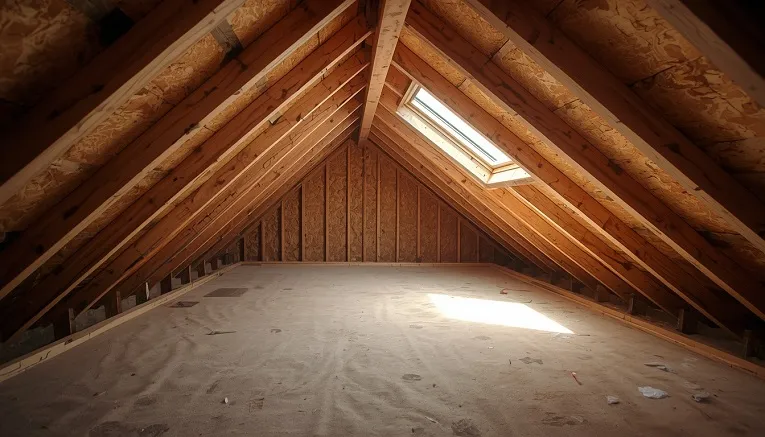
A loft conversion is one of the most popular ways to add space to a UK home without the cost and upheaval of moving. But prices vary hugely depending on the type of conversion, so it helps to know what drives the cost before you start getting quotes.
How Much Does a Loft Conversion Cost in the UK?
A loft conversion in the UK typically costs between £20,000 and £90,000, with most homeowners spending around £40,000 to £50,000. The cheapest option is a Velux or rooflight conversion, while a Mansard conversion, which involves the most structural work, sits at the top of the range.
Loft Conversion Cost by Type
| Conversion type | Typical cost | What it involves |
|---|---|---|
| Velux (rooflight) | £20,000 to £35,000 | No structural changes to the roof shape, just insulation, flooring, a staircase, and roof windows |
| Dormer | £35,000 to £65,000 | A box-shaped extension projecting from the roof slope, adding significant floor space and headroom |
| Hip-to-gable | £45,000 to £70,000 | Extends the roof’s ridgeline to a vertical gable end, usually needing planning permission |
| Mansard | £55,000 to £95,000+ | Raises the sloping side of the roof to near-vertical to maximise interior space, almost always needing planning permission |
On a per square metre basis, most conversions work out at roughly £1,200 to £2,500, though premium finishes and London locations can push this higher. Properties in and around London typically see costs run around 20 to 55% above the national average due to labour rates and site access.
What Affects the Cost?
- Type of conversion: the amount of structural work needed is the single biggest factor, from a simple rooflight conversion to a full Mansard rebuild.
- Size: larger conversions often have a slightly lower cost per square metre, since fixed costs such as staircase access are spread over more space.
- Bathroom addition: adding a bathroom to the new space increases plumbing and ventilation costs.
- Location: labour rates vary by region, with London and the South East typically at the higher end.
- Finish level: flooring, fitted storage, and window specification can all add several thousand pounds to a headline quote.
Do You Need Planning Permission?
Many loft conversions fall under permitted development and do not require full planning permission, provided the work stays within set volume limits and does not extend beyond the roof’s existing footprint in certain ways. Dormer and hip-to-gable conversions can often proceed as permitted development, while Mansard conversions and any work on a listed building or in a conservation area almost always need full planning consent. Where planning permission is needed, a householder application in England typically costs around £528, and a Lawful Development Certificate, confirming permitted development status, costs roughly £240. Rules vary across England, Scotland, Wales, and Northern Ireland, so it is worth checking with your local planning authority before committing to a design.
Is a Loft Conversion Worth It?
A well-executed loft conversion can add meaningful value to a property, with some UK lender research suggesting increases in the region of 10 to 24% where the new space includes an extra bedroom and bathroom. Beyond resale value, it is often a more practical way to gain space than moving house, since it avoids stamp duty, estate agent fees, and the disruption of relocating. If you are weighing this against other ways to add space, our kitchen renovation cost guide and home improvement financing guide can help you compare options and work out how to fund the project. If your loft is used mainly for storage rather than living space, our guide to loft ladder types covers the best access options.
Frequently Asked Questions
What is the cheapest type of loft conversion?
A Velux or rooflight conversion is generally the cheapest option, since it requires no changes to the roof’s shape and involves the least structural work.
How long does a loft conversion take?
Most loft conversions take around six to eight weeks to complete, though larger or more complex projects, such as a Mansard conversion, can take longer.
Do I need planning permission for a loft conversion?
Many loft conversions, particularly Velux, dormer, and hip-to-gable types, fall under permitted development and do not need full planning permission. Mansard conversions and work on listed buildings or in conservation areas usually do.
Is a loft conversion cheaper than a house extension?
Per square metre, loft conversions and single-storey extensions are broadly comparable in cost. Loft conversions are often cheaper overall for a given amount of usable space, since they reuse the existing roof structure and do not require new foundations.
How much value does a loft conversion add?
Some UK lender research suggests a well-executed loft conversion, particularly one adding a bedroom and bathroom, can increase property value by around 10 to 24%, though this varies by property and local market.
Costs in this article are general UK estimates based on published 2026 industry data and can vary by property, region, and supplier. Always obtain several quotes from qualified loft conversion specialists before committing to a project.
About the Author
Spire Homes Editorial Team researches and writes practical, UK focused home improvement guides covering renovation planning, financing, interior design, and property maintenance. Our content is reviewed for accuracy and updated as prices and standards change.