A small living room can feel far more spacious with the right choices around colour, light, and layout, without knocking down a single wall. This guide covers practical, low-cost ways to make a small living room look and feel bigger, based on what actually works rather than generic advice.
How Can You Make a Small Living Room Look Bigger?
The fastest way to make a small living room look bigger is to use light colours on the walls, hang curtains close to the ceiling rather than the window frame, add a large mirror opposite a light source, and clear the floor of unnecessary furniture to open up sightlines. These changes cost little and can be done in a weekend.
12 Ways to Make a Small Living Room Feel Bigger
1. Choose Light, Warm Colours
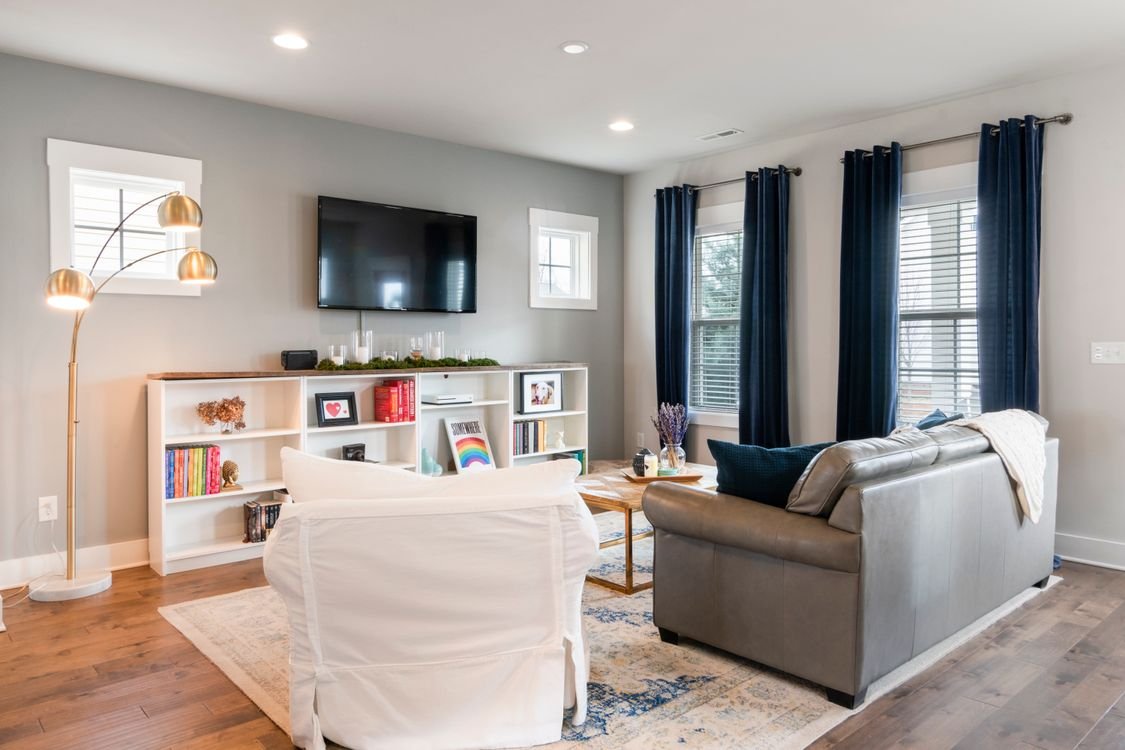
White, soft grey, and warm neutrals reflect more light than dark tones, which helps a small room feel more open. If you want colour, keep contrast low between walls and ceiling rather than switching to a stark white.
2. Hang Curtains Near the Ceiling
Fitting curtain rails close to the ceiling, rather than directly above the window frame, draws the eye upward and makes the whole wall look taller. Choose curtains that just clear the floor for the same effect.
3. Add a Large Mirror
A mirror placed opposite a window or light source bounces light back into the room and creates the illusion of another opening. A single large, unframed mirror usually works better than several small ones.
4. Keep Furniture Off the Walls
Pulling furniture slightly away from the walls, rather than pushing every piece flush against them, can make a small room feel more considered and less boxed in. Even a few inches of breathing room helps.
5. Choose Furniture With Visible Legs
Sofas and chairs raised on slim legs let light pass underneath, which keeps the floor visually open. Furniture that sits flush to the floor tends to look heavier and takes up more visual space. Choosing the right sofa size matters just as much as the design, so see our guide to choosing a sofa for a small living room for exact measurements.
6. Use Multi-Functional Pieces
A storage ottoman, a coffee table with a lower shelf, or a sofa bed all reduce the need for separate storage furniture, which keeps the room from feeling crowded.
7. Declutter Surfaces
Clearing shelves and surfaces of anything that is not genuinely useful or meaningful does more for the sense of space than most people expect. Aim to leave visible gaps rather than filling every surface.
8. Draw the Eye Upward
Hanging artwork slightly higher than eye level, or choosing a tall floor lamp, adds visual interest above the usual sightline and makes ceilings feel higher.
9. Layer Your Lighting
A single overhead light tends to flatten a small room. Combine ambient lighting with a floor lamp and a table lamp to create depth and avoid heavy shadows in the corners.
10. Keep a Consistent Flooring Colour
Where possible, a continuous flooring colour between a living room and an adjoining hallway or kitchen removes a visual break that can make a room feel more cut off and smaller.
11. Choose a Rug That Fits the Seating
A rug that is too small makes furniture look like it is floating and can shrink the sense of space. Choose a size that allows at least the front legs of your seating to sit on it.
12. Prioritise Circulation
Leaving a clear, unobstructed path through the room matters more than fitting in extra furniture. If you have to angle your body to move through the space, the room will always feel tighter than it is.
Layout Mistakes That Make a Room Feel Smaller
- Undersized furniture: tiny sofas and narrow coffee tables can make a room look fragmented rather than cohesive, since proportions feel off.
- Too many small items: lots of small decorative pieces create visual noise. A few larger, well-chosen items usually work better.
- Heavy, dark drapes: these block natural light and add visual weight to a small room.
- Furniture blocking natural paths: even beautiful furniture feels wrong if it interrupts how people move through the room.
If you are planning a wider refresh alongside your living room, our home interior design guide covers colour palettes, lighting layers, and layout principles in more depth.
Frequently Asked Questions
What colour makes a small living room look bigger?
Light, warm neutrals such as soft white, warm grey, and pale beige reflect the most light and tend to make a small living room feel more open than darker tones.
Do mirrors really make a room look bigger?
Yes. A large mirror placed opposite a window or light source reflects light around the room and creates a sense of depth, which is one of the most effective low-cost changes available.
Should curtains touch the floor in a small room?
Curtains that just clear the floor, hung close to the ceiling rather than the window frame, make the wall look taller and the room feel more spacious than curtains hung tightly around the window itself.
Is it better to declutter or add storage in a small living room?
Decluttering first is usually more effective and free. Once genuinely necessary items remain, multi-functional storage furniture can help keep the room tidy without adding visual bulk.
What furniture is best for a small living room?
Furniture with visible legs, proportionate scale to the room, and dual-purpose function, such as a storage ottoman, tends to work best, since it keeps sightlines open and avoids overcrowding the space.
Every living room has different proportions and light, so results vary by space. Small, low-cost changes are worth testing before committing to a larger renovation.
About the Author
Spire Homes Editorial Team researches and writes practical, UK focused home improvement guides covering renovation planning, financing, interior design, and property maintenance. Our content is reviewed for accuracy and updated as trends and standards change.