
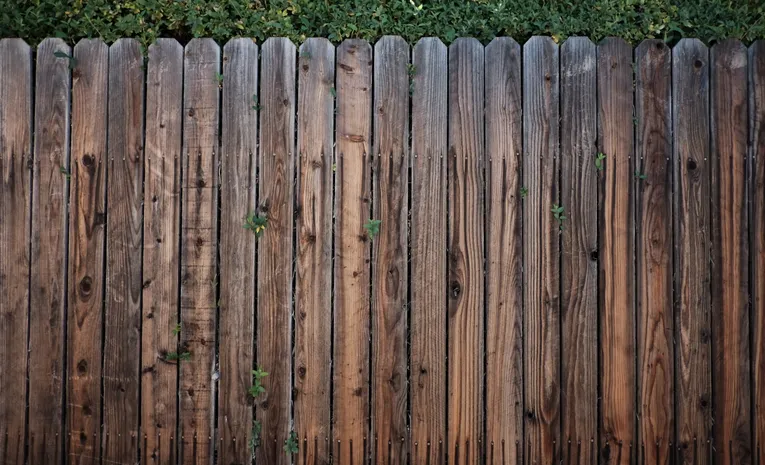
A leaning fence is usually caused by a rotted or loosened post rather than a problem with the panels themselves, and in most cases it can be straightened and secured without replacing the whole fence line. This guide covers how to fix it properly.
How Do You Fix a Leaning Garden Fence?
To fix a leaning garden fence, dig around the base of the affected post to check for rot or a loose footing, straighten the post using a temporary brace, then either reset it in fresh concrete or add a metal fence spike or repair bracket to secure it permanently. Identifying whether the post itself has failed, rather than just the soil around it, determines which fix is needed.
What You Will Need
- A spade or post hole digger
- A spirit level
- Fence post concrete mix, or a metal post support/repair spike
- Timber stakes and rope, for temporary bracing
- A hammer or mallet
- A replacement post, if the existing one is rotted
How to Fix a Leaning Garden Fence: Step by Step
1. Identify the Cause
Dig carefully around the base of the leaning post to check its condition. A post that is rotted, cracked, or crumbling at the base needs replacing, while a sound post that has simply loosened in the ground can often be reset and secured.
2. Remove Loose Soil
Clear soil away from around the post to expose enough of its base to work with, taking care not to disturb neighbouring posts or panels more than necessary.
3. Straighten the Post
Push the post back to vertical, checking with a spirit level, and temporarily brace it in position using timber stakes and rope tied at an angle to hold it steady while you work.
4. Secure a Sound Post
If the post itself is in good condition, pack the base with fresh concrete or a rapid-set post mix, following the product’s guidance, and leave it to cure fully, typically 24 to 48 hours, before removing the temporary bracing.
5. Replace a Rotted Post
If the post is rotted, remove it fully, clear out the old footing, and install a new post either directly in fresh concrete or using a metal post support that raises the timber above ground level, reducing future rot risk.
6. Consider a Repair Bracket
For a post that is only mildly loose rather than rotted, a metal fence repair bracket, sometimes called a fence spur or repair spike, can be bolted alongside the existing post as reinforcement without needing to dig it out completely.
7. Reattach Panels and Check Alignment
Once the post is secure, reattach any panels or rails that were disconnected, and check the whole section sits level and properly aligned with the rest of the fence line.
Preventing Future Leaning
- Use post supports rather than direct burial: keeping timber off direct ground contact significantly reduces rot risk.
- Check drainage around posts: waterlogged soil around a post base accelerates rot and loosening.
- Treat timber posts periodically: a wood preservative reapplied every few years extends a post’s working life.
If you are planning wider garden work alongside a fence repair, our garden landscaping ideas on a budget covers other improvements worth considering at the same time.
Frequently Asked Questions
Why does a fence post start leaning?
Rot at the base, loosened soil around the footing, or repeated exposure to wind and waterlogged ground are the most common causes of a fence post beginning to lean.
Do I need to replace the whole post if it is leaning?
Not always. If the post is structurally sound but has simply loosened, resetting it in fresh concrete or adding a repair bracket can fix the issue without a full replacement.
How long does concrete take to set around a fence post?
Standard fence post concrete typically takes 24 to 48 hours to cure enough to remove temporary bracing, though full strength can take several more days depending on the specific product used.
Can I fix a leaning fence without digging it out?
For a mildly loose but otherwise sound post, a metal repair bracket or spur bolted alongside it can add support without needing to fully excavate and reset the post.
How can I stop fence posts rotting in future?
Using metal post supports to keep timber off direct ground contact, ensuring good drainage around the base, and periodically treating the wood with preservative all help extend a fence post’s lifespan.
Always check for underground utilities before digging near fence posts, and consult a professional for boundary fences shared with neighbours where agreement may be needed on repairs.
About the Author
Spire Homes Editorial Team researches and writes practical, UK focused home improvement guides covering renovation planning, financing, interior design, and outdoor living. Our content is reviewed for accuracy and updated as guidance changes.