Door handles are one of the few fittings you touch every single day, yet they are often the last thing homeowners think about during a renovation. Brass has made a real comeback in UK interiors, and choosing the right style, finish, and size makes a bigger difference to the finished look of a room than most people expect.
Why Choose Brass Door Handles?
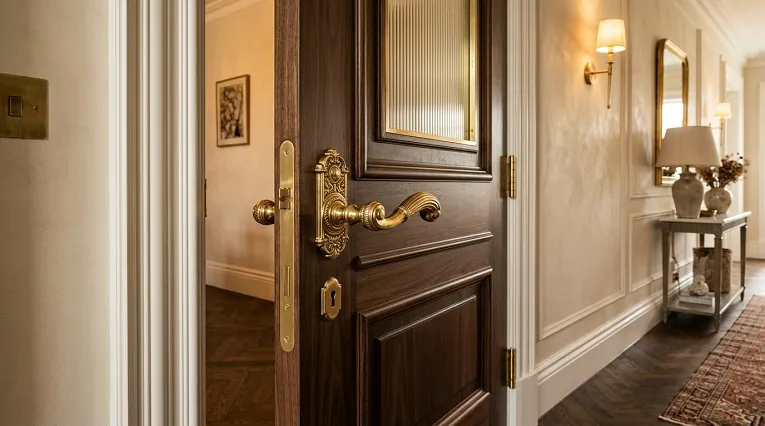
Brass door handles suit homes where a warm, traditional, or characterful look is the goal, since brass ages gracefully, pairs well with both period and modern interiors, and is available in finishes from polished to aged and unlacquered. Unlike chrome or nickel, brass develops a natural patina over time rather than looking worn.
Types of Brass Door Handles
Lever Handles
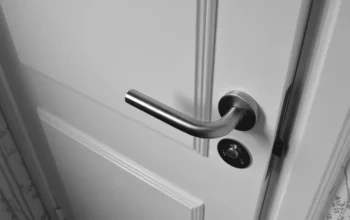
Lever handles are operated with a simple downward push, which makes them easier to use than a knob for anyone with limited grip strength, including children, elderly family members, or anyone carrying shopping or a child. Most internal doors in the UK use levers on a rose or a backplate.
Door Knobs
Knobs require a twisting motion, which makes them naturally harder for young children to open, useful for utility rooms, cupboards, or a nursery door. Brass knobs are also a common choice for period properties, where they suit Victorian and Edwardian doors particularly well.
Pull Handles
Pull handles are typically fitted to entrance doors, French doors, or wardrobes, and are chosen more for their visual weight and grip than for latch operation, since they are often paired with a separate lock or lever mechanism.
Choosing the Right Finish
- Polished brass: a bright, reflective finish that reads as more formal and traditional.
- Satin or brushed brass: a softer, low-sheen finish that suits both modern and period interiors and shows fingerprints less than polished brass.
- Aged or antique brass: pre-treated to look weathered from day one, popular in farmhouse and rustic interiors.
- Unlacquered brass: develops a natural patina over months and years of use, which some homeowners specifically want for an authentic, lived-in look.
Matching Handles Across Your Home
For a cohesive look, match your door handle finish across other hardware in the same sightline, including cabinet handles, light switches, and taps in adjoining rooms. It is not essential to use identical brass everywhere in the house, but keeping a consistent finish within each room, or between rooms that are visible from one another, avoids a mismatched feel.
If you are updating hardware as part of a wider refresh, our home interior design guide covers how to build a cohesive palette across a whole home.
Caring for Brass Door Handles
Lacquered brass needs only a wipe with a soft, dry cloth to stay looking new, since the lacquer coating protects the metal from tarnishing. Unlacquered brass will naturally darken and develop a patina over time, which many homeowners choose deliberately; if you prefer to keep the original shine, an occasional clean with a dedicated brass polish will remove tarnish, though this also removes the developing patina.
Frequently Asked Questions
Do brass door handles suit modern homes?
Yes. Satin or brushed brass finishes in particular work well in modern interiors, especially when paired with warm neutral colour palettes, and have become one of the more popular hardware choices in contemporary UK homes.
What is the difference between lacquered and unlacquered brass?
Lacquered brass has a protective coating that keeps its finish consistent over time. Unlacquered brass has no coating, so it will naturally tarnish and develop a patina with use, which some homeowners prefer for an authentic, aged look.
Should door handles match cabinet hardware throughout the house?
It is not essential everywhere, but keeping a consistent finish within a single room, or between rooms visible from one another, generally looks more considered than mixing finishes in the same sightline.
Can old brass door handles be restored rather than replaced?
Yes, in many cases. Original period brass fittings can often be cleaned and re-lacquered by a specialist restorer, which preserves the original hardware and can work out cheaper than sourcing matching replacements for an older property. If you are also replacing the door itself, our uPVC vs composite front door guide compares the two most common UK options. And if an existing door has started squeaking, our guide to fixing a squeaky door covers the quick fix.
Are lever or knob handles better for a family home?
Lever handles are generally easier to use for most family members, including anyone with limited grip strength, while knobs can be a practical choice for doors you want to be slightly harder for young children to open, such as a utility room or garage door.
Hardware finishes and styles shown here are general guidance. Always check specific product dimensions and backset measurements against your existing door before ordering replacement hardware.
About the Author
Spire Homes Editorial Team researches and writes practical, UK focused home improvement guides covering renovation planning, financing, interior design, and property maintenance. Our content is reviewed for accuracy and updated as trends change.