Electric underfloor heating has become a popular way to warm a room evenly without relying on radiators, and Warmwire is one of the established systems used in UK homes. This guide covers how it actually works, what it costs to run, and how it compares to other heating options.
How Does Electric Floor Heating Work?
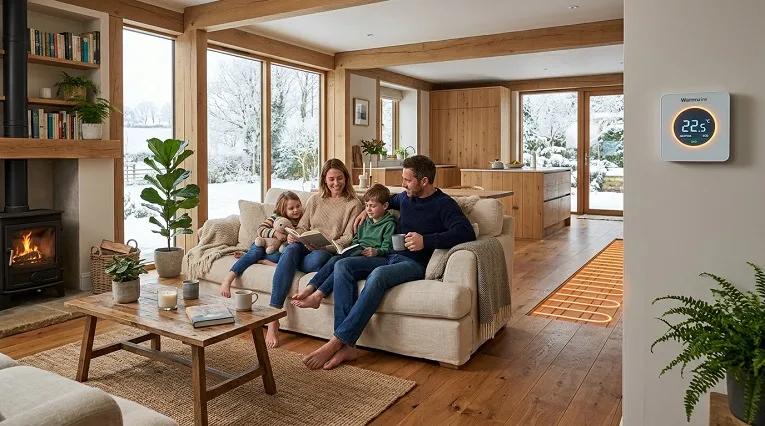
Electric floor heating, such as Warmwire, uses a thin heating cable installed beneath your flooring that warms the floor surface directly, transferring heat upward into the room rather than heating the air first, the way a radiator does. This is known as radiant heat, and it tends to feel more even underfoot than convection heating from a radiator.
Where It Works Best
Electric floor heating suits tiled floors particularly well, since tile conducts heat efficiently and is otherwise cold underfoot. It also works under laminate, engineered wood, and some carpets with the correct underlay, though manufacturer guidance on maximum floor temperature should always be checked for wood-based flooring to avoid warping.
Cost to Install and Run
Installing electric underfloor heating typically costs between £50 and £150 per square metre for the heating system itself, before fitting labour, which varies depending on room size and whether it is a new installation or added during a wider renovation. Running costs depend on your electricity tariff and how well insulated the room is, but electric systems generally cost more to run per hour than a well-maintained gas central heating system, which is why they suit smaller rooms such as bathrooms and kitchens better than whole-house heating in most UK homes.
Zone Heating and Control
One practical advantage of electric floor heating is zone control. A separate thermostat for each room means you can heat a bathroom or kitchen to a comfortable temperature while keeping less-used rooms, such as a spare room, lower, which can help manage overall running costs compared with heating the whole house to one setting.
Electric Floor Heating Versus a Boiler and Radiators
- Upfront cost: electric floor heating is generally cheaper to install in a single room than extending radiator pipework to a new space.
- Running cost: gas central heating is typically cheaper to run for whole-house heating, which is why electric floor heating is more commonly used to supplement, rather than replace, a boiler system.
- Comfort: radiant floor heat is often described as more comfortable underfoot, particularly in bathrooms and kitchens with hard flooring.
- Installation disruption: fitting electric floor heating into an existing floor usually means lifting the current flooring, so it is most practical during a renovation or new floor installation.
If you are weighing this against a full heating system upgrade, our boiler replacement cost guide covers pricing for the alternative. If you want to keep enjoying the outdoors once the temperature drops, our guide to portable patio heaters covers a good option for the patio.
Frequently Asked Questions
Is electric underfloor heating expensive to run?
It is generally more expensive per hour than gas central heating for whole-house use, which is why it is most commonly installed in single rooms such as bathrooms and kitchens rather than as a whole-home heating solution.
Can electric floor heating go under any flooring?
It works well under tile and stone, and can be used under laminate, engineered wood, and some carpets with the right underlay, though maximum floor temperature limits should always be checked against the flooring manufacturer’s guidance.
Does electric underfloor heating need a special thermostat?
Yes. A dedicated thermostat with a floor sensor is standard, and allows for zone control so different rooms can be set to different temperatures independently.
Is electric underfloor heating worth it in a bathroom?
Many homeowners find it worthwhile in a bathroom specifically, since it removes cold tile underfoot and can be run only when needed, rather than heating the whole house for one room.
How long does electric underfloor heating last?
A correctly installed electric heating cable typically lasts as long as the flooring itself, often 20 years or more, since it has no moving parts to wear out under normal use.
Costs and specifications vary by product and installer. Always check manufacturer guidance for your specific flooring type and get a fitted quote before committing to a system.
About the Author
Spire Homes Editorial Team researches and writes practical, UK focused home improvement guides covering renovation planning, financing, interior design, and property maintenance. Our content is reviewed for accuracy and updated as prices and standards change.